You Won’t Believe What I Found in Quebec’s Wild
I went to Quebec expecting charming villages and French vibes, but nature completely stole the show. Hidden deep in the forests, towering over rivers, and glowing under northern lights—Quebec’s natural wonders are unreal. I’m talking waterfalls that roar like thunder, mountains that pierce the clouds, and lakes so clear you’ll doubt they’re real. This isn’t just a trip—it’s a discovery. If you love raw, untouched beauty, Quebec should be next on your list. Let me take you through what I found.
The First Glimpse: Entering Quebec’s Untamed Landscape
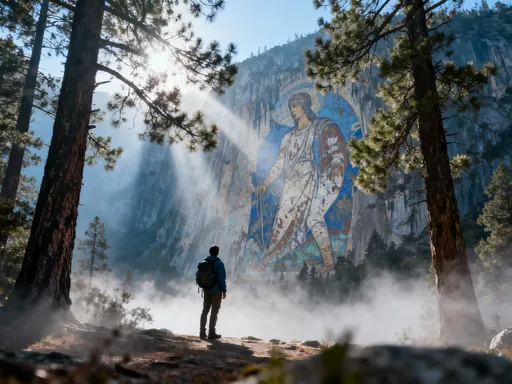
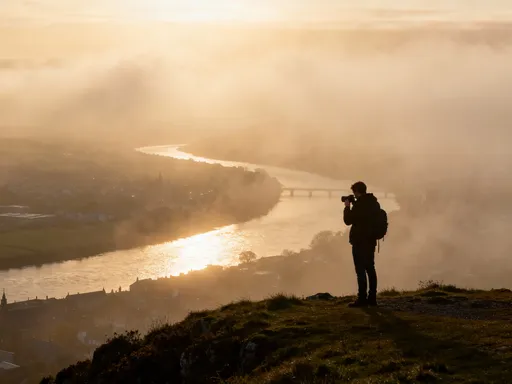
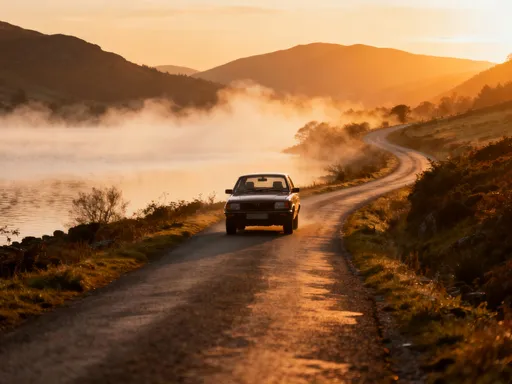
As the car climbed into the Laurentian Mountains, just an hour north of Montreal, the world began to shift. The city’s hum faded, replaced by the whisper of wind through pine and the occasional crack of a distant branch. Mist curled over the ridgelines like smoke, and the air carried the crisp, clean scent of spruce and damp earth. This was not the Quebec I had imagined—no cobblestone streets or café-lined boulevards, but something older, deeper. The transition from urban to wild was seamless, almost magical, and it set the tone for everything to come.
Many travelers arrive in Quebec expecting a slice of Europe transplanted across the Atlantic. And yes, Old Quebec delivers that in spades with its stone fortifications and French-speaking charm. But beyond the postcard-perfect towns lies a vast, untamed wilderness that few anticipate. The Charlevoix region, a UNESCO Biosphere Reserve, is one such gateway. Winding roads trace the St. Lawrence River, offering sudden, breathtaking views of forested valleys and snow-dusted peaks. It’s here that the province reveals its dual identity: a cultural gem with a wild heart.
What makes this initial encounter so powerful is the sensory immersion. The silence in remote areas is profound—not empty, but full of subtle sounds: the rustle of a red squirrel in the underbrush, the distant cry of a loon, the soft crunch of gravel underfoot. There’s a stillness that invites reflection, a rare quality in modern travel. This isn’t just scenery; it’s an invitation to slow down, to listen, to notice. For many, especially those balancing family life and daily responsibilities, this kind of quiet clarity is not just refreshing—it’s transformative.
The accessibility of these natural spaces adds to their appeal. You don’t need to trek for days to find solitude. Within two hours of Quebec City or Montreal, you can stand at the edge of a cliff watching eagles circle above a fjord, or hike through a forest where moose tracks mark the snow. This balance of convenience and wildness makes Quebec uniquely suited for travelers who seek depth without sacrificing comfort. The journey into the wild begins sooner than you think, and the impact lingers long after you return home.
Montmorency Falls: Where Nature Outshines Niagara
If Niagara Falls is the superstar of North American waterfalls, Montmorency Falls is the quiet virtuoso that deserves equal acclaim. Located just 15 minutes from downtown Quebec City, this thundering cascade drops an impressive 272 feet—over 100 feet higher than Niagara. Yet it remains surprisingly uncrowded, a hidden gem tucked between forested hills and the St. Lawrence River. Standing on the suspension bridge that spans the falls, you feel the power of the water in your chest, a deep, resonant vibration as mist rises like breath from the churning pool below.
The experience is immersive in every sense. The wooden bridge sways slightly with each step, connecting visitors to both sides of the falls and offering panoramic views of the surrounding landscape. On clear days, the sunlight catches the spray, creating fleeting rainbows that dance in the air. For the more adventurous, a staircase of 487 steps is carved directly into the rock face, allowing hikers to ascend beside the roaring water. Those who make the climb are rewarded with a bird’s-eye view of the falls and the river winding toward the horizon.
What sets Montmorency apart is not just its height or beauty, but its integration into the natural and cultural fabric of the region. Operated by the provincial park system, the site includes interpretive exhibits on the geology of the falls and the history of the area, including its use by Indigenous peoples and early French settlers. A seasonal cable car eases the ascent for those who prefer not to climb, and a restaurant at the top serves local specialties like maple-glazed salmon and wild blueberry pie, made with ingredients sourced from nearby farms.
Visitors are advised to come early in the day to avoid small crowds, especially during the summer months and the winter ice climbing season, when the frozen falls become a dramatic wall of blue ice. Even in peak season, the site never feels congested. Unlike more commercialized attractions, Montmorency maintains a sense of reverence for nature. It’s a place to stand in awe, not to take selfies. For families, couples, or solo travelers seeking a moment of wonder, this is nature at its most accessible—and most powerful.
Parc national des Grands-Jardins: A Tundra in the Forest
Nestled within the Charlevoix Biosphere Reserve, Parc national des Grands-Jardins offers one of the most unexpected landscapes in eastern North America. At first glance, it resembles the Arctic tundra—wide, open spaces, stunted trees twisted by wind, and a sense of vastness that stretches to the horizon. Yet this alpine-like terrain exists at relatively low elevations, a result of harsh weather, thin soil, and a unique microclimate shaped by the proximity to the St. Lawrence River. It’s a place where boreal forest meets mountain plateau, creating an ecosystem found nowhere else in the region.
Hiking here feels like walking on another planet. Trails like Le Camp du Moulin take visitors through fields of lichen and low-lying shrubs, past bogs where spruce trees grow no taller than a child. The silence is profound, broken only by the call of a raven or the rustle of a snowshoe hare darting through the underbrush. Wildlife is abundant but elusive—black bears roam the deeper woods, foxes dart across clearings at dawn, and moose are occasionally spotted near wetlands. Park rangers emphasize respectful distance and proper food storage, ensuring both safety and conservation.
The park’s trails range from moderate to challenging, with elevation gains that test even experienced hikers. Yet the effort is rewarded with panoramic views of the valley below, where fog rolls in like waves during the early morning hours. For those seeking an overnight experience, backcountry shelters and designated campsites offer a chance to sleep under a sky so clear that the Milky Way appears within reach. The lack of light pollution makes stargazing a nightly ritual, and in winter, the same landscape transforms into a cross-country skiing paradise.
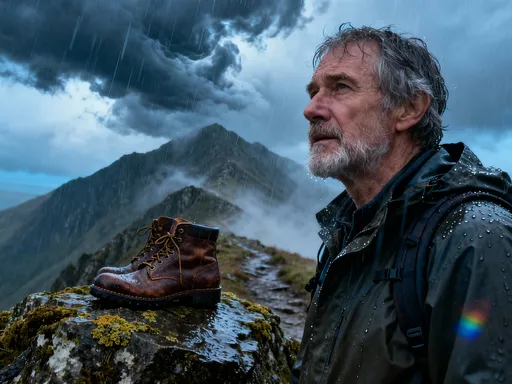
Preparation is key. Hikers are advised to bring layered clothing, waterproof gear, and sturdy boots, as weather can shift rapidly. The park offers shuttle services from nearby towns, and visitor centers provide up-to-date trail conditions and wildlife alerts. While not as well-known as other Quebec parks, Grands-Jardins is gaining recognition among ecotourists and nature photographers for its raw, unfiltered beauty. It’s a place that doesn’t cater to crowds—it invites contemplation, offering a rare chance to walk where the wild still rules.
Saguenay Fjord: Canada’s Hidden Geological Marvel
Carved by glaciers over 10,000 years ago, the Saguenay Fjord is one of the most dramatic geological formations in North America. Stretching over 60 miles inland from the St. Lawrence River, this deep-water fjord reaches depths of up to 270 meters—deeper than most ocean ports. Towering cliffs, some rising over 300 meters, flank the dark, still waters, creating a landscape of quiet majesty. Unlike the fjords of Norway or Alaska, Saguenay remains relatively unknown to international travelers, preserving its sense of mystery and solitude.
Exploring the fjord by boat is an experience of quiet awe. Small tour vessels glide across the surface, their engines muted, allowing passengers to absorb the scale of the cliffs and the silence of the surrounding forest. Kayakers often paddle in small groups, their strokes echoing against the rock walls. The contrast between the calm surface and the powerful underwater currents is striking—this is not a placid lake, but a living river system shaped by tides and glacial melt. The water’s deep blue hue, visible even on cloudy days, hints at its depth and cold.
One of the most unique aspects of the fjord is its role as a habitat for the endangered St. Lawrence beluga whale. These white whales, which live in freshwater year-round, can often be seen breaching or swimming in small pods near the fjord’s mouth. Marine biologists monitor their population closely, and tour operators follow strict guidelines to minimize disturbance. Educational programs on board boats provide insight into conservation efforts and the whales’ social behavior, turning a scenic ride into a lesson in ecology.
Seasonal access is important to note. While summer offers the most stable weather and full boat service, winter transforms the fjord into a frozen wonderland. Ice walking and snowshoeing are permitted on designated paths, and guided tours lead visitors across the solidified surface to view ice caves and pressure ridges. Safety is paramount—only experienced guides lead winter excursions, and all participants are equipped with proper gear. Whether under summer sun or winter moonlight, the Saguenay Fjord remains a place of deep beauty and quiet power, a reminder of nature’s enduring force.
Aurora Hunting in Abitibi-Témiscamingue: Lights Without the Crowds
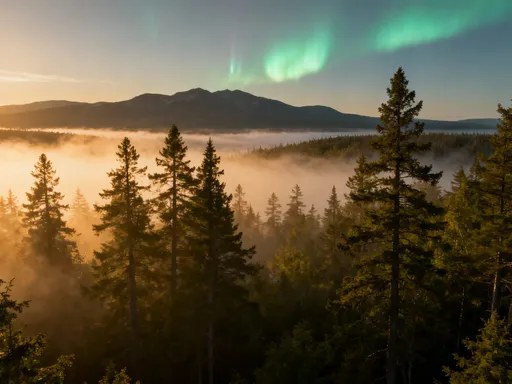
For those who dream of seeing the northern lights, Abitibi-Témiscamingue offers a rare advantage: some of the darkest skies in eastern Canada, with minimal light pollution and high auroral activity. Located in western Quebec, near the Ontario border, this region is far from major cities, making it an ideal destination for stargazers and aurora chasers. During the winter months, from December to March, the skies often ignite with green and violet ribbons of light, dancing silently above frozen lakes and snow-covered forests.
The experience is profoundly moving. Standing in a field outside Rouyn-Noranda or along the shores of Lake Amihkwew, you feel small in the best possible way—not insignificant, but connected to something vast and ancient. The auroras move slowly, sometimes pulsing, sometimes swirling like silk in the wind. There’s no sound, no fanfare—just the soft crunch of snow underfoot and the occasional hoot of an owl. For travelers accustomed to constant stimulation, this kind of quiet wonder is a revelation.
Modern tools make aurora hunting more accessible than ever. Mobile apps like Aurora Forecast and My Aurora Tracker provide real-time data on solar activity and visibility predictions. Local lodges and eco-resorts offer guided viewing nights, complete with hot cocoa, warm blankets, and telescopes for stargazing. Some even organize photography workshops, helping visitors capture the elusive lights on camera. The key is patience—on any given night, the auroras may appear for minutes or hours, or not at all. But when they do, the memory lasts a lifetime.
What makes Abitibi-Témiscamingue special is its authenticity. Unlike more popular aurora destinations in Scandinavia or Alaska, this region sees few international tourists. There are no luxury glass igloos or crowded viewing platforms—just open spaces, clear skies, and a deep sense of peace. For families or solo travelers seeking a meaningful escape, this is nature at its most generous, offering not just beauty, but a moment of stillness in a noisy world.
Gaspé Peninsula & Forillon National Park: Where Land Meets Legend
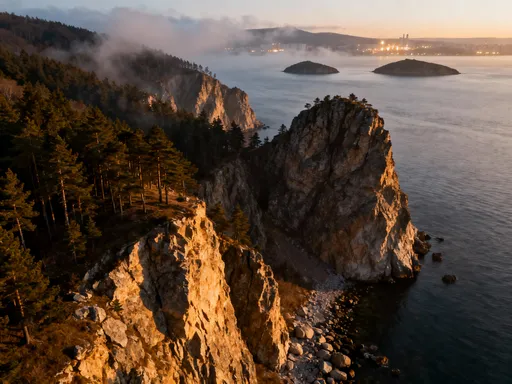
At the far eastern edge of Quebec, the Gaspé Peninsula juts into the Gulf of St. Lawrence like a hand reaching toward the Atlantic. This rugged coastline is home to Forillon National Park, a place of sheer cliffs, pounding surf, and windswept headlands that have shaped both the land and the people who live here. The park’s dramatic geography is best experienced on foot, particularly along the Dalhousie Trail, which winds along the coast offering panoramic views of the gulf and the meeting point of the Saguenay and St. Lawrence rivers.
Hiking in Forillon is both challenging and rewarding. Trails vary in difficulty, from gentle walks through coastal meadows to steep climbs over rocky outcrops. Along the way, visitors may spot harbor seals basking on offshore rocks, peregrine falcons circling above the cliffs, or flocks of seabirds nesting in crevices. The sound of the waves is constant, a rhythmic backdrop that underscores the power of the sea. Interpretive signs along the trails provide information about the region’s geology, ecology, and the history of the Mi’kmaq people, who have lived here for thousands of years.
Camping options within the park range from serviced sites with electricity to remote backcountry shelters accessible only by foot. The visitor center offers maps, weather updates, and safety briefings, especially important given the unpredictable coastal weather. Reservations are strongly recommended, particularly during the summer months when the wildflowers bloom and the hiking season peaks. Some trails are closed seasonally to protect nesting birds, reflecting the park’s commitment to conservation.
The Gaspé Peninsula is more than a destination—it’s a journey into the soul of Quebec’s natural heritage. The landscape tells a story of erosion, survival, and resilience, mirrored in the lives of the fishing communities that dot the coast. To walk here is to feel the pulse of the earth, to stand where land and sea collide in a timeless dance. For travelers seeking not just views, but meaning, this is a place that stays with you long after you leave.
Why Quebec’s Wild Side Changes How You Travel
Discovering Quebec’s wilderness does more than fill a photo album—it changes the way you think about travel. Most vacations are built around checklists: see this landmark, eat at that restaurant, take that iconic photo. But in places like Grands-Jardins, Saguenay, or the Gaspé coast, the experience is not about accumulation, but immersion. You begin to notice the small things: the way light filters through spruce branches, the sound of a loon at dusk, the feel of cold river water on your hands. These moments don’t shout; they whisper, and in that quiet, you find clarity.
For many, especially women in the 30–55 age group who balance family, work, and personal well-being, this kind of travel is deeply restorative. It’s not about escaping responsibility, but about reconnecting with oneself. Nature doesn’t ask for productivity—it simply invites presence. Whether standing at the edge of a fjord or watching the northern lights in silence, you are reminded that wonder is still possible, that beauty exists beyond screens and schedules.
What makes Quebec unique is the balance it offers. You can stay in a cozy inn with modern comforts and still hike a trail where no one else is in sight. You can enjoy excellent local food and wine, then spend the next day kayaking in a pristine fjord. This harmony of accessibility and adventure means you don’t have to choose between comfort and discovery. The wild is not a distant dream—it’s within reach.
Ultimately, Quebec teaches a different way to travel: slower, deeper, more intentional. It encourages you to put down the phone, step off the beaten path, and let the landscape speak. In a world that moves too fast, this is a radical act of self-care. The wild doesn’t just change your itinerary—it changes your perspective.
Quebec’s natural beauty doesn’t announce itself with fanfare. It reveals itself quietly—in the mist over a mountain, the glow of auroras in a winter sky, the roar of a waterfall no one told you about. This is not a destination for the checklist traveler, but for the seeker, the observer, the one who still believes in wonder. The wild is waiting, not to impress, but to transform. Let it rewrite your story. Let it remind you that the world is still full of quiet miracles. All you have to do is go.”