You Won’t Believe What I Ate in Sapporo—This City’s Food Scene Is Next Level
When I landed in Sapporo, I knew I was in for a treat—but nothing prepared me for how deeply food would shape my journey. From steaming bowls of miso ramen to fresh seafood that tastes like the sea itself, every bite told a story. This isn’t just about eating; it’s about experiencing Hokkaido’s soul through its flavors. Let me take you where the locals eat, far from tourist traps, into the heart of real Sapporo. The city’s culinary rhythm pulses through alleyway grills, morning markets, and midnight ramen counters, each offering a taste of tradition, resilience, and warmth in a land shaped by snow and sea.
Arrival in Sapporo: First Bites and Lasting Impressions
The moment you step out of Sapporo Station, the crisp Hokkaido air greets you with a bracing chill, carrying with it the unmistakable scent of grilled meat, soy sauce, and simmering broth. The city hums with quiet energy—neon signs flicker above narrow lanes, and the sound of laughter spills from tucked-away eateries. For many visitors, the first real encounter with Sapporo’s food culture doesn’t happen at a hotel or a sightseeing spot, but in the quiet hours after arrival, when hunger overrides caution and curiosity takes over. That was certainly true for me.
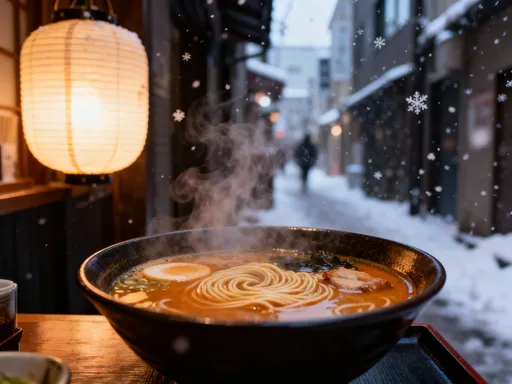
My introduction to Sapporo’s culinary heartbeat came at 10:30 p.m. in a narrow alley in Susukino, the city’s vibrant entertainment district. Drawn by a line of locals standing outside a tiny ramen shop, its windows fogged with steam, I followed the unspoken rule: where the locals queue, magic happens. Inside, the counter barely fit eight people. I ordered what everyone else did—a bowl of miso ramen with extra butter and corn—and within minutes, a steaming bowl arrived, rich, fragrant, and deeply comforting. The broth was thick with fermented soybean paste, layered with tender chashu pork, a perfectly soft-boiled egg, and a pat of Hokkaido butter melting into the heat. That first spoonful wasn’t just satisfying; it was revelatory. It set the tone for everything that followed.
What makes this experience so powerful is how closely Sapporo’s cuisine mirrors its climate and history. Winters here are long and severe, with snow blanketing the city for months. As a result, the local diet has evolved to prioritize warmth, richness, and sustenance. Meals are hearty, often centered around robust broths, grilled meats, and dairy-rich ingredients. The cold air doesn’t deter dining—it enhances it. People seek out food that warms the body and soul, and Sapporo delivers in abundance. This isn’t fast food; it’s nourishment crafted with care, a reflection of a culture that values both flavor and function.
Miso Ramen: The Soul of Sapporo on a Spoon
If Sapporo has a culinary emblem, it is unquestionably its miso ramen. While ramen exists in countless forms across Japan, Sapporo’s version stands apart—bold, deeply savory, and unapologetically rich. The use of miso paste as the base of the broth is not just a flavor choice; it’s a cultural signature. Born in the post-World War II era, when American military bases introduced new ingredients like butter and corn to local cooks, Sapporo’s ramen evolved into something uniquely its own. Chefs began layering miso into pork- or chicken-based broths, creating a complex umami depth that quickly became a favorite among laborers and students alike.
Today, miso ramen is more than just a meal—it’s a point of pride. Walk through any neighborhood, and you’ll find ramen shops with names like Aji no Sanpei, Sumire, or Nakajima, each claiming a slight variation on the classic. Some lean into a tonkotsu-miso fusion, blending pork bone marrow richness with the earthy tang of fermented soybeans. Others opt for a lighter soy-miso hybrid, offering a more balanced profile that appeals to first-time visitors. What unites them is the intensity of flavor and the care in preparation. The broth is simmered for hours, often overnight, extracting every ounce of depth from bones, vegetables, and miso.
One of the joys of exploring Sapporo’s ramen scene is learning how to spot authenticity. The best shops rarely advertise with flashy signs. Instead, they reveal themselves through subtle cues: a line of people waiting outside, steam fogging the windows, the rhythmic sound of noodles being swirled in boiling water. Many use vending machines to place orders—a common feature in Japanese ramen shops—where you select your bowl, add extras like extra meat or garlic, and hand the ticket to the chef. It’s a system built on efficiency and focus, allowing the cook to concentrate on the craft.
For visitors, the experience goes beyond taste. Eating miso ramen in Sapporo is an act of participation. You’re not just consuming food; you’re engaging with a tradition shaped by necessity, innovation, and community. And while variations exist, the core remains the same: a bowl that warms you from the inside out, a testament to the city’s resilience and creativity.
Beyond Ramen: The Hidden Gems of Local Eateries
While ramen may be Sapporo’s most famous export, the city’s true culinary depth lies in its lesser-known establishments—tiny izakayas tucked into backstreets, family-run curry houses, and unassuming lunch counters that have served the same recipes for decades. These are the places where locals gather after work, where generations share meals, and where food feels less like performance and more like home.
One such treasure is jingisukan, a dish whose name translates to “Genghis Khan” and refers to grilled lamb served on a domed metal skillet. Despite its dramatic name, the dish is a humble celebration of Hokkaido’s agricultural heritage. The lamb is tender, slightly gamey, and grilled tableside with onions, mushrooms, and bell peppers. Diners dip each bite into a savory tare sauce before eating, creating a smoky, umami-rich experience unlike any other. Jingisukan restaurants are often cozy, wood-paneled spaces where the air is thick with the scent of charred meat. Places like Daruma in Susukino or Mekara Tei in the Nakajima area have been serving this specialty for generations, drawing both tourists and longtime residents.
Another hidden gem is Sapporo’s curry culture. Unlike the spicier curries found in other parts of Japan, Sapporo’s version tends to be thick, sweet, and rich, often incorporating local ingredients like pumpkin, potato, or even apple. Some restaurants serve curry with a side of ramen, a combination known as “curry + men,” which might sound unusual but is deeply satisfying. These family-run curry houses, often found in residential neighborhoods, are quiet during the day but fill up quickly at lunchtime. The owners greet regulars by name, and the menu rarely changes—proof that when something works, there’s no need to fix it.
Seasonality also plays a crucial role in Sapporo’s daily menus. In summer, sweet corn—famous for its buttery texture and natural sweetness—appears on skewers, in salads, and even as a topping for ramen. In autumn, wild mushrooms like matsutake and nameko are foraged from the surrounding forests and featured in soups and hot pots. Even the humble potato, a staple of Hokkaido farming, is elevated to new heights in dishes like buttered potato salad or korokke (croquettes). These ingredients aren’t just food; they’re a reflection of the land, harvested with care and celebrated with pride.
Sapporo Central Market: A Seafood Lover’s Dream
No visit to Sapporo is complete without a walk through Nijo Market, the city’s bustling central market and a haven for seafood lovers. Open daily from early morning until mid-afternoon, Nijo Market is a sensory explosion—gleaming fish laid out on ice, vendors calling out specials, and the briny scent of the sea hanging in the air. This is where Sapporo’s connection to the ocean becomes undeniable.
The real magic happens at the small counters where you can eat fresh seafood moments after it’s been prepared. Uni (sea urchin), known for its creamy texture and delicate sweetness, is a must-try. Served in its shell with a squeeze of lemon, it melts on the tongue like ocean silk. Ikura, or salmon roe, arrives in glistening orange pearls, each one bursting with a clean, briny flavor. Amaebi, sweet shrimp, is often served raw, their translucent flesh tender and subtly sweet. Many stalls offer tasting sets, allowing you to sample a variety of seafood without committing to a full meal.
For first-time visitors, navigating the market can feel overwhelming, but it doesn’t have to be. The best time to go is in the morning, between 8:00 and 10:00 a.m., when the freshest catches arrive and the crowds are manageable. Most vendors are accustomed to international visitors and often have English menus or picture boards. If you’re unsure what to order, look for counters with a line of locals—this is usually the best indicator of quality. And don’t hesitate to point; a smile and a gesture go a long way.
Beyond the raw bar, Nijo Market also offers cooked options—grilled scallops on the half-shell, steamed crab legs, and miso-marinated sardines. There are also small eateries serving donburi bowls topped with fresh fish, perfect for a light but satisfying meal. The market isn’t just a place to eat; it’s a place to learn. Watching vendors handle fish with precision, hearing them explain the day’s catch, and tasting the difference freshness makes—all of it deepens your appreciation for Sapporo’s culinary roots.
Dairy & Sweets: Hokkaido’s Creamy Obsession
If there’s one thing Hokkaido is famous for beyond its seafood and ramen, it’s dairy. The region’s cool climate, vast pastures, and clean water create ideal conditions for dairy farming, resulting in milk that is richer, creamier, and more flavorful than anywhere else in Japan. This high-quality milk forms the foundation of Hokkaido’s dessert culture, transforming simple sweets into luxurious experiences.
Nowhere is this more evident than in Sapporo’s soft-serve ice cream. Found in convenience stores, specialty shops, and even gas stations, Hokkaido soft serve is denser and more flavorful than typical ice cream, with a velvety texture that coats the palate. Flavors range from classic vanilla and rich chocolate to seasonal specialties like melon, lavender, and sweet corn. One of the most popular spots is Milk Mura, a dairy-themed café just outside the city, where visitors can sample ice cream made from milk produced on-site.
Another beloved treat is shiroi koibito, a butter cookie sandwich filled with white chocolate. Produced by the local company Ishiya, these elegant cookies have become a symbol of Hokkaido hospitality, often gifted to visitors. The contrast between the crisp, buttery shell and the smooth, creamy filling is delightful, and the packaging—clean white with red script—is instantly recognizable. For those with a sweet tooth, Sapporo offers countless dessert cafés serving custard puddings, cheese tarts, and parfaits layered with fresh fruit, whipped cream, and house-made syrup.
Seasonal offerings add another layer of excitement. In summer, melon parfaits featuring Yubari king melon—a famously sweet and fragrant variety—are a highlight. In winter, warm desserts like baked custard or miso-flavored mochi provide comfort against the cold. Even coffee shops incorporate local dairy, serving lattes with steamed Hokkaido milk that adds a natural sweetness. For many visitors, these sweets are not just treats—they’re edible souvenirs of a place that takes pride in its land and craftsmanship.
Seasonal Rhythms: How Winter Festivals Fuel Food Culture
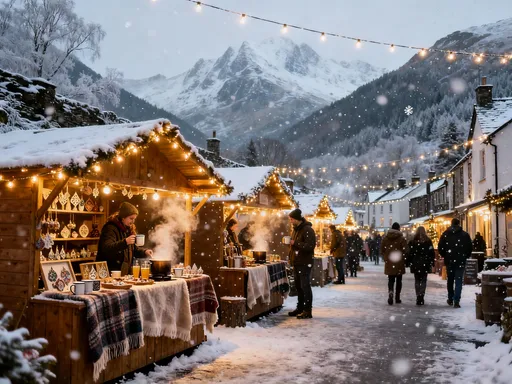
Sapporo’s food culture doesn’t slow down in winter—it transforms. The city’s most famous event, the Sapporo Snow Festival, held every February, is not just a showcase of ice sculptures but also a celebration of winter cuisine. Throughout Odori Park and the surrounding areas, food stalls pop up offering warm, hearty dishes that pair perfectly with the cold air. This is when Sapporo becomes an open-air kitchen, where eating is as much a part of the experience as sightseeing.
One of the most popular events during the festival is Yaki-Yaki Messe, a grill festival where vendors serve freshly grilled seafood, meat, and vegetables. The name, which means “grill-grill fair,” says it all. Skewers of scallops, squid, and salmon sizzle over open flames, their smoky aroma drawing crowds. Grilled corn slathered in butter and salt is a favorite, as are oden, a type of Japanese stew featuring fish cakes, daikon, and boiled eggs simmered in a light soy-based broth. These dishes are designed to be eaten on the go, warming the hands as much as the stomach.
The festival also highlights Sapporo’s communal spirit. Families, couples, and friends gather around food stalls, sharing skewers and steaming cups of amazake (a sweet, non-alcoholic rice drink) or hot sake. The atmosphere is joyful, with music, lights, and laughter filling the night. Even outside the festival, winter in Sapporo brings its own culinary rituals. Hot pots like ishikari nabe, made with salmon, tofu, and vegetables in a miso broth, are staples in homes and restaurants alike. These meals bring people together, turning dining into an act of warmth and connection.
The seasonal rhythm of Sapporo’s food culture teaches an important lesson: that cuisine is not static. It shifts with the weather, the harvest, and the celebrations of the people. To eat in Sapporo in winter is to participate in a tradition of resilience and joy, where food is both fuel and festivity.
Eating Like a Local: Practical Tips for Authentic Experiences
To truly experience Sapporo’s food culture, it helps to adopt a few local habits. One of the first things you’ll notice is the prevalence of vending machine ordering systems in ramen shops and casual restaurants. These machines, usually located near the entrance, allow you to select your meal, add extras, and pay before entering. While it may seem impersonal at first, it streamlines service and reduces wait times. Look for buttons with pictures or English labels, and don’t be afraid to ask staff for help if needed.
Understanding basic dining etiquette can also enhance your experience. In Japan, it’s customary to say “itadakimasu” before eating and “gochisousama” after finishing—a gesture of gratitude for the meal and those who prepared it. Chopstick use follows certain rules: never leave them upright in a bowl of rice (this resembles a funeral ritual), and avoid passing food directly from one pair of chopsticks to another. Tipping is not expected and can even be considered rude, as service is already included in the price.
To avoid tourist pitfalls, steer clear of restaurants with English-only signs or those located directly inside major hotels. These often cater to visitors with inflated prices and diluted flavors. Instead, explore neighborhoods like Tanukikoji Shopping Arcade, a covered market street with dozens of small eateries, or the Nakajima Park area, known for its quiet charm and local favorites. Arrive early for fresh sushi or seafood, as many vendors sell out by midday.
Finally, embrace curiosity. Try dishes you can’t pronounce, ask vendors what’s fresh, and don’t be afraid to point at what others are eating. Sapporo’s food scene thrives on authenticity, and the most memorable meals often come from the most unassuming places. By stepping off the beaten path, you’re not just eating—you’re connecting.
Conclusion
Sapporo doesn’t just feed you—it welcomes you. Every dish carries history, craftsmanship, and pride. From the first bowl of miso ramen to the last bite of buttery soft-serve, the city offers a culinary journey that is as nourishing as it is unforgettable. Its food culture is not about spectacle; it’s about substance, seasonality, and the quiet joy of sharing a meal. By stepping into Sapporo’s kitchens, markets, and alleyway grills, you’re not just traveling—you’re belonging. So come hungry, stay curious, and let Sapporo’s warmth, both in its people and its plates, become your home away from home.