You Won’t Believe How Alive Puno’s Streets Feel at Dawn
There’s something quietly magical about Puno, Peru—not the flashy kind, but the deep, soulful pulse of daily life unfolding in its urban spaces. I spent a week moving slowly through its streets, plazas, and markets, and what I found wasn’t just culture, but connection. This is travel stripped down to its essence: real moments, real people, and the rhythm of a city waking up. Slow travel here doesn’t just change how you see Puno—it changes how you feel in it. The air is thin at 3,830 meters above sea level, but rich with the scent of woodsmoke and freshly baked bread. The streets hum with purpose, not performance. In Puno, the city itself becomes the destination, and every dawn brings a new invitation to belong, even if only for a moment.
The Pulse of Puno: Urban Life on Lake Titicaca’s Edge
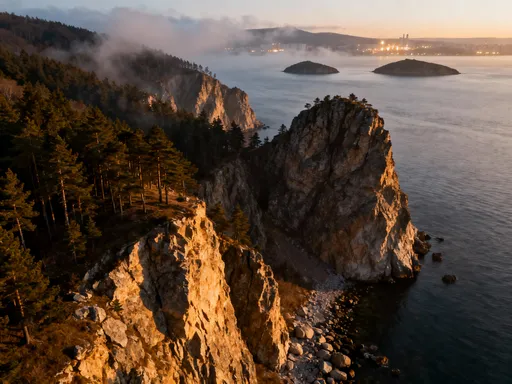
Puno rests on the edge of Lake Titicaca, the highest navigable lake in the world, cradled by rugged Andean peaks and shimmering waters that stretch toward Bolivia. More than just a transit point for island-hopping tours, Puno is a living city with a heartbeat all its own. Its streets rise and fall with the terrain, narrow and cobblestoned in the colonial center, opening into wider avenues where buses and combis—small shared vans—navigate the morning rush. Unlike more polished tourist hubs, Puno has not been smoothed into a postcard. It retains the raw texture of everyday life, where commerce, tradition, and community interweave seamlessly.
The city’s location makes it a cultural crossroads. As a gateway to the lake’s famous floating Uros islands, Taquile, and Amantaní, Puno draws visitors from around the world. Yet it resists becoming a stage for spectacle. Locals go about their routines—selling, walking, praying, laughing—with little regard for onlookers. This authenticity is what makes Puno special. Its urban rhythm is not dictated by tourist timetables but by the natural cadence of Andean life: the ringing of church bells, the opening of market stalls, the first light over the water.
For travelers, this means that immersion is possible—but only if they slow down. Rushing through Puno to catch a boat means missing the soul of the place. The true richness lies not in ticking off attractions but in lingering in the in-between moments: watching a woman balance a bundle of quinoa on her back as she climbs a hillside street, or hearing the distant echo of a flute practice from a school music room. These are the quiet revelations that only patient observation brings.
Morning Rituals: Walking with the City as It Wakes
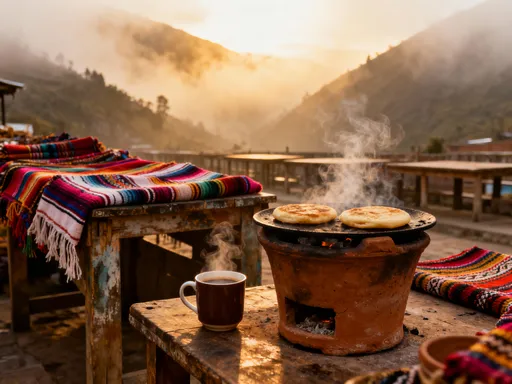
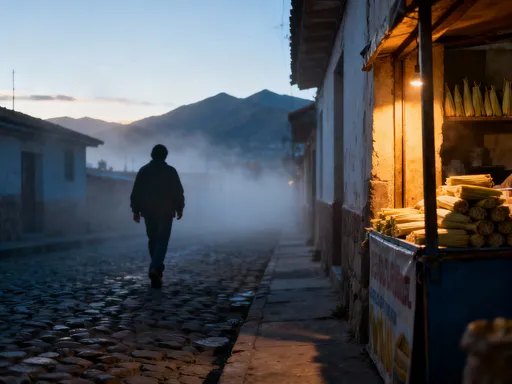
Dawn in Puno is not announced by alarm clocks but by the soft shuffle of footsteps on stone. By 5:30 a.m., the city is already stirring. Street vendors roll open metal shutters, arranging steaming trays of tamales wrapped in corn husks, boiled potatoes, and freshly made humitas—a sweet corn tamale. The air carries the scent of cumin, roasted peppers, and wood-fired ovens. Small breakfast stalls, known locally as desayunerías, begin to fill with workers, students, and shopkeepers starting their day.
Walking from Plaza de Armas toward the lakeshore at this hour is to witness the city’s quiet transformation. The sky shifts from indigo to pale gold as fishermen prepare their boats, checking nets and stacking wooden oars. Along the malecón, or lakeside promenade, elderly couples walk slowly, wrapped in thick woolen shawls, while joggers and dog walkers trace the water’s edge. The surface of Lake Titicaca is often still at this hour, reflecting the mountains like a mirror.
Children in crisp school uniforms—blue skirts, white blouses, navy sweaters—walk in groups, their backpacks bouncing with each step. Some stop at bakeries for warm pan de piso, a traditional flatbread. In the distance, a radio plays softly from an open window, broadcasting a mix of Andean folk music and local news. The Aymara language, one of the region’s indigenous tongues, floats through the air in conversations between neighbors. These are not curated experiences; they are the unscripted moments that define Puno’s daily rhythm.
For the slow traveler, this morning patrol is invaluable. It reveals patterns—the same woman selling boiled eggs at the same corner every day, the baker who waves to every passerby, the old man who feeds stray cats near the cathedral. These repetitions create a sense of continuity and belonging. They remind us that cities are not just places we visit, but living organisms with routines, memories, and relationships that unfold over time.
Plazas and People: The Heartbeat of Public Space
At the center of Puno’s social life stands the Plaza de Armas, a broad, open square surrounded by colonial-era buildings with arched walkways and red-tiled roofs. Benches line the perimeter, often occupied by elders sipping coca tea or knitting intricate patterns into woolen scarves. In the mornings, mothers push strollers along the cobblestone paths, while schoolchildren gather near the central fountain, waiting for friends before class.
Unlike plazas in more commercialized tourist cities, Puno’s main square is not dominated by souvenir shops or crowded cafés. It remains, first and foremost, a space for locals. Musicians—often students from the city’s music schools—play traditional Andean instruments like the sicu and zampoña (panpipes) in the afternoons. Their melodies drift across the plaza, blending with the chatter of families and the occasional bark of a dog.
But Puno’s public life extends beyond the main plaza. Smaller neighborhood squares—like those in Jesús or San Luis—function as quiet hubs of community. Here, grandmothers sit together, sharing stories in Quechua or Aymara, while grandchildren play tag on the grass. These spaces are simple in design: a few trees, a fountain, a flagpole. Yet their human scale fosters connection. There are no barriers, no entry fees, no schedules. People come and go as they please, drawn by habit, warmth, or the need for company.
This organic use of public space is increasingly rare in a world where urban design often prioritizes efficiency over intimacy. In Puno, the plaza is not a backdrop but a participant in daily life. It hosts impromptu gatherings, small protests, wedding photos, and even informal markets on weekends. It is a place where generations meet, where language and tradition are passed down not in classrooms but on benches, in laughter, in shared silence.
Markets as Urban Landscapes: More Than Just Shopping
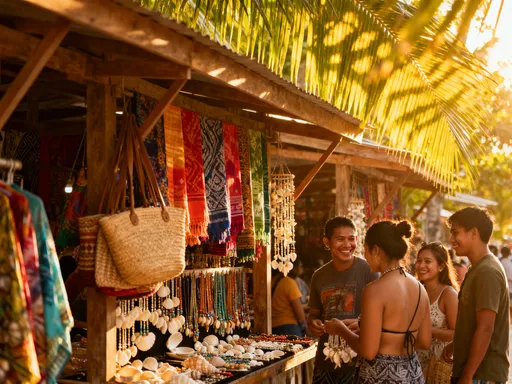
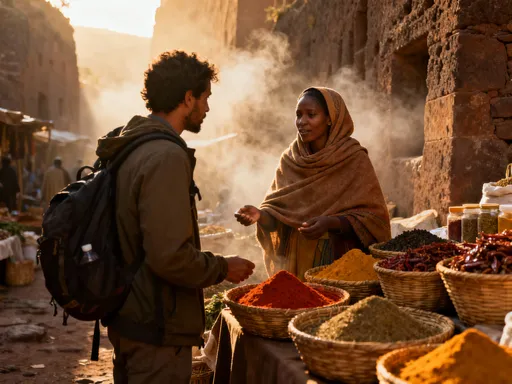
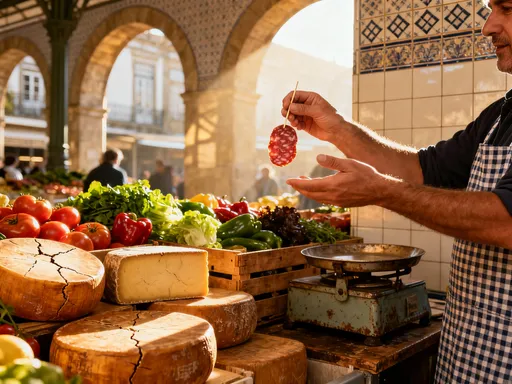
No visit to Puno is complete without stepping into the Mercado San Pedro, a sprawling indoor-outdoor market that functions as the city’s economic and cultural heart. More than just a place to buy souvenirs, it is a living ecosystem where commerce, tradition, and community converge. The market is a riot of color and sound: bolts of handwoven textiles in vibrant reds, greens, and yellows; baskets overflowing with purple corn, yellow potatoes, and dried alpaca meat; stalls piled high with medicinal herbs, each with its own name and purpose.
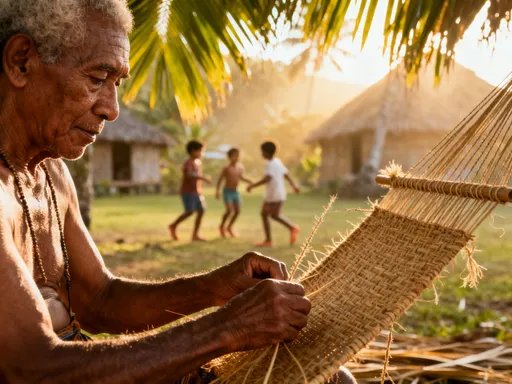
The layout follows an unspoken order. Butchers hang cuts of beef and alpaca behind glass counters. Herbalists sit cross-legged on low stools, arranging dried leaves and roots into neat piles. In one corner, women weave intricate patterns on backstrap looms, their fingers moving with practiced ease. The air is thick with the scent of cumin, garlic, and fresh cheese. Vendors call out prices in Spanish, Aymara, or Quechua, depending on the customer.
For the slow traveler, the key is not to rush. Browsing without buying is not only accepted but expected. A vendor might offer a sample of chuno—freeze-dried potatoes—or explain the use of muña, a mint-like herb used for digestion. These small exchanges build trust. Over time, a smile becomes a greeting, a greeting becomes a conversation, and a conversation can lead to an invitation to a family meal or a local festival.
The market is also a repository of indigenous knowledge. Elders consult herbalists for remedies passed down through generations. Mothers teach daughters how to select the best quinoa or identify fresh trout from the lake. These are skills not taught in schools but preserved through daily practice. In a world where globalization threatens local traditions, the market stands as a quiet act of resistance—a place where Andean ways of knowing and being are not only maintained but celebrated.
Walking the Barrios: Layers of History and Community
Beyond the colonial center, Puno’s residential neighborhoods—known locally as barrios—offer a deeper understanding of the city’s soul. These hillside communities, such as Jesús, Santa Rosa, and San Luis, are built into the slopes overlooking the lake. Their streets are narrower, their homes more modest, often constructed from adobe brick with corrugated metal roofs. Brightly painted doors and window frames add splashes of color against the gray stone.
Walking through these neighborhoods without a fixed destination reveals the poetry of ordinary life. In the mornings, women spread grains on woven cloths to dry in the sun. Children chase chickens through alleys. Men repair roofs or tend small vegetable gardens. Sheep and llamas are sometimes seen grazing on higher slopes, tended by young shepherds in woolen caps. The sound of church bells echoes from neighborhood chapels, marking the hours.
Architecture here tells a story of adaptation. Many homes blend colonial influences with indigenous design, featuring internal courtyards and thick walls to retain heat. Rooftop terraces offer panoramic views of Lake Titicaca, where the water changes color with the light—steel gray at dawn, brilliant blue by midday. These homes are not tourist attractions; they are lived-in spaces, filled with photographs, religious icons, and the smell of simmering stews.
Chance encounters are common. A grandmother might invite you to sit on her doorstep for a cup of tea. A child might offer a drawing in exchange for a smile. These moments are not performative; they arise from genuine curiosity and warmth. In the barrios, hospitality is not a service but a way of life. To walk here is to be reminded that travel is not just about seeing new places, but about connecting with the people who call them home.
The Rhythm of Resistance: Urban Space as Cultural Defense
Puno’s urban environment is more than a backdrop—it is a living archive of cultural resilience. In a country where indigenous identities have long been marginalized, the city’s streets, plazas, and markets serve as quiet acts of preservation. Language, dress, music, and ritual are not confined to festivals but woven into the fabric of daily life. Women wear monteras (bowler hats) and layered skirts not for tourists but as expressions of identity. Men play Andean flutes not for tips but because the music is in their blood.
Nowhere is this more evident than during the Fiesta de la Candelaria, one of the largest and most vibrant festivals in South America. Every February, Puno’s streets overflow with dancers in elaborate costumes representing hundreds of traditional comparsas (dance troupes). The festival, recognized by UNESCO as Intangible Cultural Heritage, transforms the city into a moving tapestry of color, sound, and devotion. For days, normal life pauses as music fills the air and processions wind through every neighborhood.
But even outside the festival, cultural resistance is visible. Street vendors sell warmi wasi—small clay ovens shaped like women—symbols of fertility and home. Murals depict Aymara and Quechua leaders. Radio stations broadcast in indigenous languages. These are not gestures for outsiders but affirmations of belonging. They say: we are still here. We still speak our languages. We still dance our dances.
Slow travel aligns with this spirit. It honors local time, not tourist schedules. It listens before it speaks. It understands that culture is not a performance but a way of being. In Puno, to move slowly is to participate in this quiet resistance—not by making a statement, but by showing up, staying present, and bearing witness.
Practical Slow Travel: How to Move Through Puno with Intention
Traveling slowly in Puno requires intention, not just time. The first step is where you stay. Opt for a family-run guesthouse or small hostel in the city center, within walking distance of Plaza de Armas and the malecón. These accommodations often offer home-cooked meals and local insights that hotels cannot match. Staying with a family increases the chances of meaningful connection—perhaps an invitation to join a birthday celebration or a community event.
Getting around should be done on foot whenever possible. Puno’s center is compact, and walking allows you to notice details—fresh flowers in a window, a cat sunning on a wall, the sound of a flute from an open door. When longer distances are needed, combis are reliable and inexpensive. They follow fixed routes and are used primarily by locals, offering a real glimpse into daily life. Avoid overbooked boat tours that rush you to islands without time to engage. Instead, choose smaller, community-led excursions that include time to talk with residents.
A sample three-day rhythm might include: Day one, arrive and settle in, take a quiet walk along the malecón at sunset. Day two, visit Mercado San Pedro in the morning, have lunch at a local menú restaurant, spend the afternoon in a neighborhood plaza. Day three, take a half-day trip to an island with a guide who speaks Quechua or Aymara, return in time for evening prayers at the cathedral. The goal is not to see everything but to experience a few things deeply.
Language matters. Learning a few basic Spanish phrases—buenos días, gracias, ¿cómo está?—goes a long way. Even better, learn a simple greeting in Aymara, such as Jayk’anchay (hello). Respectful observation is key. Ask before taking photos. Accept invitations graciously, even if you don’t understand everything. The city rewards patience. Stay long enough, and you may find yourself recognized—not as a tourist, but as someone who has taken the time to listen.
Conclusion: Why Puno Reminds Us What Cities Are For
Puno does not dazzle with grand monuments or luxury resorts. Its power lies in its humanity. It reminds us that cities are not just collections of buildings and streets, but networks of relationships, routines, and shared meaning. In an age of fast travel, where destinations are reduced to checklists and Instagram posts, Puno offers a quiet rebellion. It asks us to slow down, to walk without urgency, to sit without purpose, to listen without agenda.
Here, the urban landscape is not designed for efficiency but for connection. The plaza is for gathering. The market is for exchanging more than goods. The streets are for living, not just passing through. To experience Puno at dawn is to witness a city breathing, working, praying, laughing—unselfconsciously, beautifully alive.
And in that rhythm, we find something we may not have known we were missing: a sense of belonging. Not because we are from here, but because we have been allowed to feel part of it, even briefly. Puno teaches us that the deepest travel is not about going far, but about going deep. It invites us not just to visit, but to feel. And in that feeling, we remember what cities are truly for.